Browse the Civic press material and that disappointment diminishes. For starters, the upright, sober-suited Civic is fitted with a 197bhp, 2-litre, four-pot VTEC screamer, together with a six-speed 'box, super-stiff structure and limited slip diff. On the face of it then, the Type-R is about as focussed a front-drive machine as there has ever been.
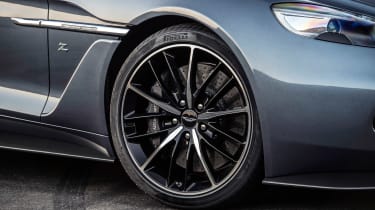
It does seem a shame to clothe all this high-revving hardware in what looks like a Japanese Megane Scenic. Big, smoked chrome alloys and a slammed stance do their best to conceal the Civic's boxy shape, but it's an unequal struggle. It's a major cause for concern in the evo office that hatchbacks not only appear to be getting fatter, but taller as well.
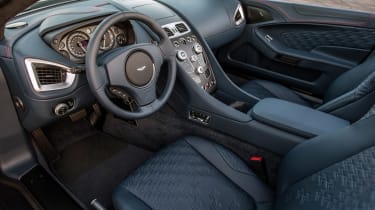
Once inside, the people-carrier theme continues, with a vast, swept-back windscreen, lots of headroom and that decidedly odd-looking gearlever, which sprouts from the dashboard like a Peugeot 806's. It feels odd to use at first but after a few miles it becomes totally natural, aided no doubt by the excellent six-speeder's tight, snickety shift-action. Quirky gearlever apart, the interior is traditional Type-R fare: clean analogue instruments, a tidy, plastic dashboard and fine, hip-squeezing Recaro seats stitched with the Type-R motif.
The engine sounds typically tinny on start-up, finding its voice only once it's working hard. The transition from low- rev normality to high-rev VTEC silliness is less pronounced than in the old Integra Type-R. The 6000rpm kick is slightly softer, while the manic howl is less spine-tingling. It's still fiercely accelerative if you keep it on the boil, and although it doesn't sound quite as angry as Type-Rs of the past there's a bit more meat in the mid-range should your concentration lapse and the revs drop below five grand or so.
Gun it along a tight, bumpy road and the ride quality remains surprisingly composed, considering the low profile rubber. But once the engine hits its sweet spot the front begins to follow ruts, undulations and camber changes. It's not old-school, wrist-spraining torque steer but you have to work to keep things on line, something that's not helped by the electric power steering, which one suspects feels as dead as it does in an attempt to minimise adverse feedback.
The old Integra's steering was never the most tactile but a sensationally involving chassis more than made up for this. You could literally make the thing dance, shifting between delightfully neutral turn-in to incredibly controllable lift-off oversteer. With modest 15-inch wheels it combined suppleness and strong grip with a progressive nature that encouraged you to wring the absolute maximum from it. Hence our high hopes for the Civic's dynamics.
The disappointing news is that the Civic seems to have lost the Integra's tip-toe balance and adjustability. Grippy and safe on the road, it resists understeer well, but fails to come alive when you want to play. Throttle adjustability is so mild you hardly notice a shift in the car's balance, so that if you do carry too much speed there's little you can do but suffer the scrubby, frustrating consequences. On the circuit, an environment in which the Integra shone like few other front-drive cars, the Civic feels fast but flat-footed, serving up varying degrees of understeer and surprisingly little excitement.
At a fiver under £16K, the Type-R is very aggressively priced. Ford's RS Focus could cost as much as £21K, so buyers wanting a 200bhp hatch will have to dig deep to stretch to the Ford. Yet given how good the stock Focus chassis is, it's not hard to imagine that with a gutsy, turbo motor and edgier, more involving dynamics, the Focus RS will be the outstanding driver's car we'd hoped the Civic Type-R would be.


More CAR REVIEWS


Bookmark this post with: