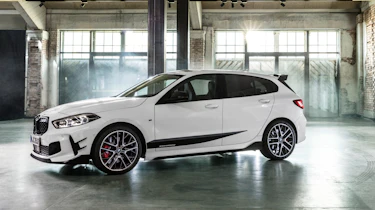
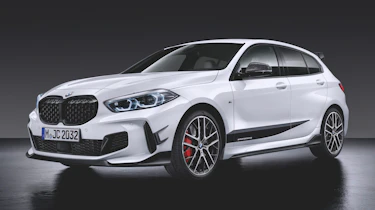
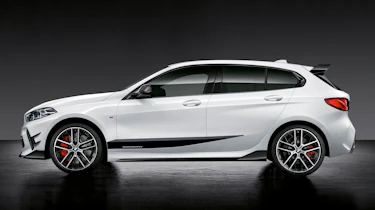
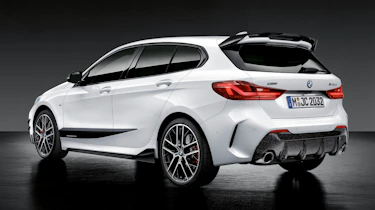
We're here to drive the Type R prototype - Honda insists we call it that because a number of changes will be made before production begins. To what I can't imagine. Very few manufacturers redefine one of their hottest models and get it so right - chunkier good looks, increased power, superb chassis rigidity, more positive steering, improved grip and better brakes.
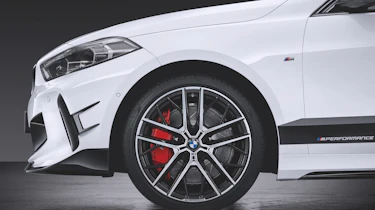
Styling first. As the gathered scribes stood back oohing and aahing at the prototype's solid, sharp new look, the sleek headlight and grille combo, the bright red Brembo callipers and larger 17inch wheels, interest centred on the coupe's 60mm higher roof line.
Stylist Hideaki Uchino explained that the exterior, penned to appeal more to a US audience (where its called the Acura RSX), followed the new trends in chunkier shaped sports models coming out of BMW and Audi. 'Hondas up until now have been too "thin". That's why we've beefed up the solidity of the coupe, and given it more muscular and athletic lines.' He was also inspired by a spell at Pininfarina where he fell in love with the lines of the Ferrari 360 Modena, which boasts a higher stance than its sleeker 355 brother. So there you have it. A Type R inspired by the 360 Modena!
As I sank into the grippy Recaro racing seat, it dawned on me that there was another reason why the R's roof was 60mm higher. To enable taller drivers to wear helmets, because that's the final destination of this machine - race tracks. At that comment, Uchino chuckled, paused, and nodded in silent agreement.
So what have Honda's engineers been up to over the last six years? Plenty. The new car, which actually absorbs the slow-selling Prelude, has been upgraded in every department.
The 1.8-litre engine is replaced by a more refined 2-litre i-VTEC unit, which combines VTEC's variable valve lift with continuously variable intake cam timing. The latter, which advances and retards the intake cam over 50 degrees, not only assists performance but cuts emissions. Pumping out 217bhp at 8000rpm (up 30bhp) and 152lb ft (up 21lb ft) of torque at 7000rpm, the new 2-litre in-line four gets considerably flatter power and torque curves, though the engine spins all the way to a 8400rpm redline. It's still pure magic when the tacho hits 6000 and ignites the high-lift cams. And it's ideally matched to the new six-speed gearbox with its perfectly weighted, wonderfully short and precise throws. The claimed quarter mile time is 14.3secs, nearly a second faster than the old car.
Honda also claims huge improvements in the bodyshell's structural rigidity, and combined with stiffened suspension, it gives the new Type R a very different feel. One of the biggest changes is improved rear grip - the tail all but refuses to go walkabout, except when you really overcook it. Feathering the go pedal and a hint of opposite lock sees you back on track. The variable-assistance rack and pinion steering is as pure and precise as you will ever find on a front drive car, with 2.6 turns lock to lock. Turn-in is crisp and there's even less understeer than before.
Larger, 17in wheels shod with 215/45 Bridgestone Potenza RE040 rubber play a part too. Combined with the superior chassis balance and stiffness, they lift cornering limits to new heights. It feels like you could take bends on average 10-15mph faster than in the old model.
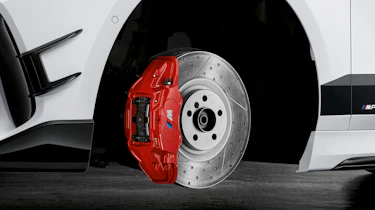
Equally impressive are the brakes - at the front 300mm vented discs, Brembo four-pot callipers, fade-resistant Ferodo brake pads and two cooling ducts which channel air from the bumper and reduce temperatures by up to 10 degrees C.
Weight savings of 2.3kg per brake assembly help keep the curb weight down, but improved body and crash rigidity, larger engine and more metal add 72kg to the car's overall weight, now 1173kg. On the road, however, the increased power combined with the superior balance and tractability are enough to negate the weight gain.
Inside, the Type R features all the 'R' trimmings we've come to expect - Recaro racing seats, Momo wheel, polished aluminium pedals and gearshift, etc. Gauges are black on silver and glow orange at night.
All things considered, the R is faster, better looking and better handling than ever. Only problem is, Honda has no plans to import it to the UK, because it's too close in price and ability to the Civic Type R. Shame, because the Integra is the fastest - and arguably most enjoyable - front-drive coupe on the planet.
![[ evo ]](/front_website/images/evo_website_logo.gif)


More CAR REVIEWS


evo RATING ![[+]](/images/positive.gif)
![[-]](/images/negative.gif)


Bookmark this post with: