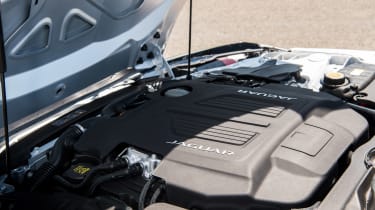
Central to the changes is a new- generation four-cylinder petrol engine. The unique Twin Spark 2-litre has gone, replaced by a torquier, more powerful, cleaner and more economical direct- injection 2-litre petrol engine.
The forerunner of an entire family of Alfa direct-injection petrol engines, this new unit powers the 156 JTS (short for Jet Thrust Stoichiometric) in both saloon and Sportwagon guises and successfully combines the seemingly conflicting aims of better economy and cleaner emissions with greater power and torque outputs.
The advantage of a direct injection petrol engine over a conventional injection unit is its ability to create a leaner air-fuel mixture in the combustion chamber. It also increases the engine's volumetric efficiency because injecting fuel directly into the combustion chamber cools the intake air, making it denser. But the Alfa JTS engine differs from other direct-injection petrol engines because where they maintain this lean- burn mixture for the first 3000rpm or so, and use pistons and inlet ducts designed for lean-burn, the JTS doesn't rely on such piston and duct changes, and only adheres to the miserly lean-burn regime for the first 1500rpm. This ensures reduced fuel consumption and emissions at idle and during urban driving but still endows the engine with undiminished response when full power is required.
When you compare this new engine with the outgoing Twin Spark 2-litre you can understand why Alfa is so excited about direct injection. Maximum power is up from 150bhp to 165bhp, while torque takes a similar jump from 133lb ft to 152lb ft. Overall economy is mildly improved and emissions already meet tough new Euro IV limits.
Handy though the gains are on paper, the JTS feels even more impressive on the road. Where the old Twin Spark 2-litre lacked real low-rev and mid-range lugging power, the new engine delivers a more muscular shove of torque. Any fears about the new engine lacking the fizz of the Twin Spark are soon dispelled, as its hunger for revs is undiminished. The difference being that you now work the engine hard because you want to, not because you have to.
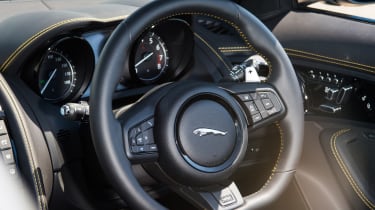
Alfa has also taken the opportunity to improve the Selespeed transmission system. There are now dinky little paddles behind the wheel rim, rather than the earlier 156 Selespeed's awkward spoke-mounted buttons. Not only do the tactile, rubberised paddles feel more natural to operate but they also command slightly crisper shifts. Another tweak is the ability to override the system's Auto setting without changing out of that mode.
Alfa's excellent Vehicle Dynamic Control (VDC) stability system is now standard across the range. VDC takes information from the engine, throttle, steering and a gyroscopic yaw and lateral g sensor, and by modulating both power and braking on individual wheels, brings the car back under control if you're pushing too hard. While some systems can feel obtrusive and clumsy, VDC has a natural, almost organic feel under all but the most severe provocation.
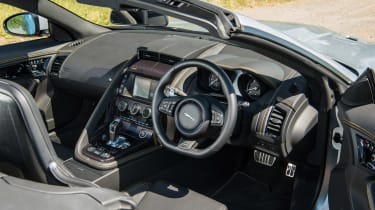
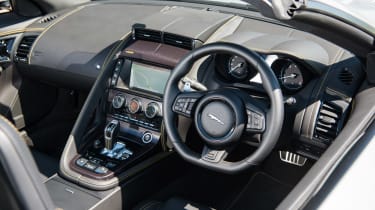
The interior has benefited from some equally far-reaching changes. Material quality is greatly improved with better texturing and tactility. The facia layout is fully revised, with a new centre console containing attractive and more user- friendly ventilation controls. There's also a multi-function screen that displays trip computer information plus feedback on any faults and the action required. Safety is also enhanced, thanks to window airbags on all models and ISOFIX attachments for the safe fitment of child seats in the rear of the car.
Dynamically the 156 feels as tidy as ever, with quick-witted steering, compliant ride and agile responses all present and correct. All of which points to the 156 maintaining its position as one of the most desirable, entertaining and stylish saloons/estates currently on sale.


More CAR REVIEWS


Bookmark this post with: