The new Dacia Duster is a no-frills crossover we can get behind
The third-generation Duster is tougher and more practical than before, promising class-leading value for money

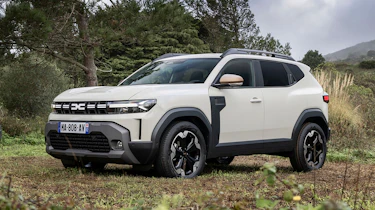
Most mainstream crossovers are more about kerb appeal (whatever that means) than utility, but the Dacia Duster has always been a little different. There’s nothing spectacular about it, but that’s precisely the point – it offers most of what you need and nothing you don’t, at an affordable price.
Now there’s an all-new version, and it promises to be tougher, more versatile and more comfortable than ever, with the same value-orientated approach to pricing.
Given that the Duster is Europe’s best-selling SUV, Dacia hasn’t tampered with the formula for this third-generation model. The blocky proportions are familiar, but the Duster has gained thicker body cladding and new underbody shields, with Y-shaped running lights and horizontal grille bars drawing from other new Dacias.
There are big changes beneath the skin, though, with the Duster moving to Renault’s CMF-B architecture. The improved packaging of the new platform means that the Duster offers more cabin and luggage space than before, along with superior dynamics, comfort and isolation.
Dacia hasn’t steamed ahead with producing EVs (its first is due to launch in 2024) given its positioning as a budget brand, but the Duster does offer some form of electrification. The standard TCe 130 model uses a 1.2-litre turbocharged three-cylinder engine with 48V mild-hybrid assistance, generating 128bhp and driving through a six-speed manual gearbox
Then there’s the Hybrid 140, which pairs a 1.6-litre four-cylinder engine with an electric motor and a high-voltage starter-generator for 138bhp. The hybrid is automatic-only and can drive in electric mode for 80 per cent of the time in cities, according to Dacia.
Finally there’s a Bi-Fuel model, which comes with two fuel tanks (one for LPG, the other for petrol) that hold 100 litres between them. Dacia remains one of the very few firms to offer LPG-compatible cars from the factory, but there’s no word on whether the Bi-Fuel is destined for the UK.
Customers can choose between front- or four-wheel drive, and there’s a selection of drive modes – including Snow and Mud/Sand – to optimise the traction control and ESC for tough terrain.
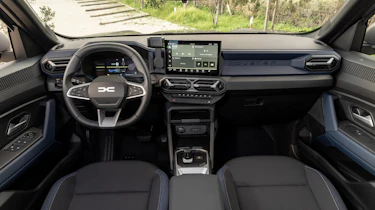
The heavy-duty theme continues inside, where the Duster features washable upholstery, rubber floor mats and hard-wearing plastics to go with a host of new tech. Said tech includes a 7-inch digital dashboard and a 10.1-inch touchscreen mounted to the dash, along with wireless Apple CarPlay and Android Auto connectivity.
Pricing hasn’t been announced for the new Duster, but Dacia promises to offer ‘the best value for money’ in the family SUV segment. Given the new platform, electrified engines and upgraded tech, expect a hike over the outgoing Duster’s £17,295 starting price.