New Volkswagen ID.3 Neo proves car companies (sometimes) listen
The ID.3 is the staple of Volkswagen’s EV range, and it’s been given a much-needed mid-life facelift to help it combat fierce competition from China and elsewhere
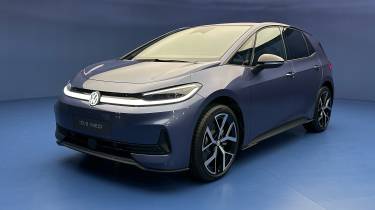
Initially unveiled in 2019, the Volkswagen ID.3 kickstarted the brand’s EV offensive as a promising electric alternative to the long-standing Golf. Promising on paper it might have been, but opinions soon fell flat, with buyers less than impressed with its bland design, poor interior quality and lacklustre ergonomics. Its maker has since acknowledged it was far from the Volkswagens we’d come to love, but now it believes it has the solution in the ID.3 Neo.
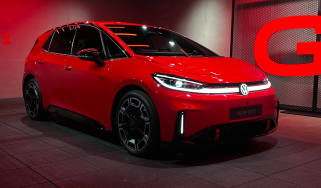
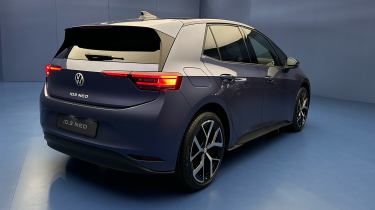
This is a substantial mid-life facelift, so substantial in fact that it’s received the new Neo name. At a glance this is still very much the ID.3 we already know, but it doesn’t take long to spot some differences between it and the outgoing car. Design has been enhanced with smaller, sharper lighting units at the front and rear, including a new full width front light bar and illuminated badges, if that’s something you’re into. The roof, spoiler, boot lid and A-pillars also now come in body colour in an effort to make its slightly awkward proportions less… awkward.
> Volkswagen Polo GTI (Mk6, 2017 - 2026) review – a hot hatch we won't miss
Powertrains and performance
Exterior design is far from the focus of the Neo update though, as the key changes lie beneath its bodywork. Volkswagen hopes that the use of a new MEB+ platform will help the ID.3 Neo finally excel in this competitive market with an impressive WLTP range of up to 391 miles, 20 miles more than the current car. There will be three power levels and three battery sizes available, ranging from 168bhp to 228bhp and from 50kWh all the way up to 79kWh.
Performance isn't what the ID.3 Neo is about, but its new motors allow for more regardless. They're now more efficient than before with higher torque despite the lower electricity consumption, which is all very good considering this car is set to form the basis for a performance variant in a few months…
Interior design, better quality and more buttons
What really sets the ID.3 Neo apart from its predecessor is its interior, the primary source of complaints for Volkswagen’s ID range. The ID.3 Neo proves car companies listen, as it’s been given higher quality materials throughout, unique fabric trim and sturdy, premium plastics where it really matters.
There are real, physical buttons too, including on the newly designed steering wheel. While some manufacturers have re-introduced physical buttons poorly, these feel tactile and well-considered in their assembly and layout – there are even controls for each of the four windows in the driver’s door, unlike before. The overall design of the cabin is also new, with a cleaner, more horizontal look.
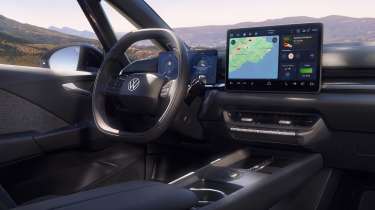
The software behind it all has been given an update as part of the Neo launch, allowing for advanced standard assistance features, and Connected Travel Assist with traffic light recognition as a paid option. In plain English, that means the ID.3 can navigate some roads with some level of autonomy with more accuracy than before, stopping for traffic lights should you desire. The new software suite also makes the 10.25-inch digital dash and 12.9-inch central infotainment display even more fluid and snappy in their responses than before.
Volkswagen Cars CEO Thomas Schäfer believes the ID.3 Neo marks the beginning of a new era for the brand in which it returns to its roots. Based on our first experience with this car, we can believe it.