Aston Martin DBX GT - the ultra-high performance SUV for those wanting to blend in
It has the same 717bhp V8 as the range topping S, but ditches the OTT body kit – could the DBX GT be the best of both worlds?

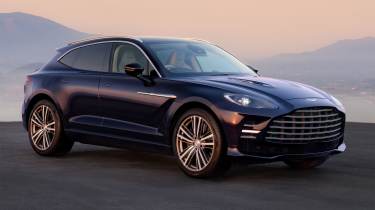
Aston Martin’s DBX still remains top of the tree for those who put dynamics ahead of utility when selecting their SUV, more so since the introduction of the more focussed 707 and S models. But as great as they are from behind the wheel, how they look on the outside has made some hesitant to pick Gaydon’s offering. So Aston Martin has done the sensible thing and stripped the ‘S’ of its battledress to create the DBX GT.
Essentially it marries the less overt body styling of the original 542bhp DBX that arrived in 2020 with the more extreme powertrain of the ‘S’ and a more tailored chassis setup that sits between the two.

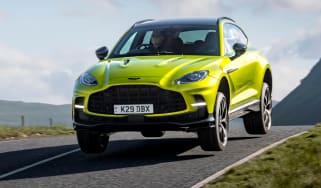
Therefore, out go the lower front splitter, deeper side sills and big rear diffuser and in comes… well, nothing, as they’ve been removed to leave the GT with a less fussy and classier appearance, which is no bad thing.
A double-vaned front grille identifies the GT, with daytime running lights incorporated within its out edges. Two-piece metal side strakes replace the 707 and S’s carbon items and there’s a new 22-inch wheel fitted with Pirelli P Zero Scorpion all-season tyres. 23-inch wheels and tyres are optional. There’s also a finisher for the quad exhaust pipes to add some glam.
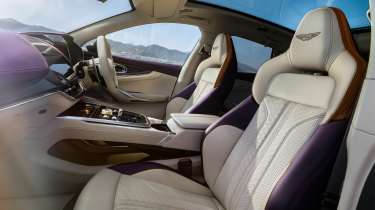
Inside the changes are focused around trim and material upgrades, including new finishes to metal controls such as the drive control unit. An increase in sound deadening improves the ability to hold a conversation on the move by 13 per cent according to the ‘Articulation Index’.
Under the GT’s new-old skin is the S’s 717bhp 4-litre twin-turbocharged V8, which is matched to a Mercedes sourced nine-speed auto that’s had its shift patterns massaged to finesse the changes. The latter also uses a new bushing mount, increasing stiffness to improve the management between the transmission and body movement. Two new longitudinal dampers have also been installed connecting the body to the rear-subframe to manage ‘larger suspension events’ such as pothole strikes and severe compressions.
The DBX’s triple-chamber air-suspension remains, but like the twin-valve dampers their settings have been recalibrated for a more settled and refined ride. The dampers also include a new valve system first used on the Valhalla to further improve the damper’s response rate.
First deliveries are expected around about now, with prices starting at around £207,000 – a few grand less than the S model.