TWR Supercat is a 660bhp supercharged V12 XJS restomod
Singer and Alfaholics a bit too weedy? A 660bhp supercharged, manual V12 Jaguar XJS could be for you

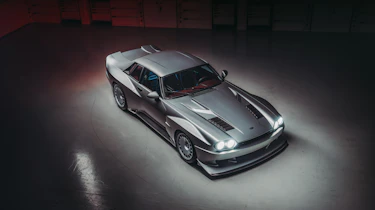
Joining the rapidly expanding bubble of classic icons receiving the restomod treatment is the Jaguar XJS-based Supercat courtesy of the resurrected TWR. It features a supercharged V12 engine hooked up to a manual gearbox, race-inspired, aero-honed carbon-fibre bodywork and a retrimmed and updated cabin, among innumerable points of reengineering and detail changes. Could it be everything fans of the XJS wish Jaguar had once built for itself, or a restomod too far? Here’s everything you need to know.
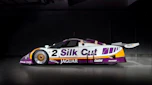
It’s appropriate that restomodding the XJS should fall to Tom Walkinshaw Racing. TWR is, after all, the company that 40 years ago spent its weekdays adapting the XJS into what would become the Aston Martin DB7 and its weekends challenging the might of Porsche and Mercedes at the top level of endurance racing, winning Le Mans in the process with its Jaguar V12-powered XJR-9. It then went on to develop the Jaguar XJ220 supercar and the XJR-15 one-make racer and supercar. It’s this motorsport pedigree that gives TWR licence to credibly claim the extremes of capability and performance it does with the Supercat.
Powering it is an extreme – suspiciously Jaguar-looking but claimed to be in-house – supercharged V12, good for 660bhp at 7600rpm and 538lb ft at 7600rpm. It displaces 5.6 litres, which explains the extra 2mm on the 92mm bore, compared to the 90mm 5.3-litre XJS. The stroke is 70mm as per the famous Jag V12. It sends power to the rear wheels via a six-speed manual transmission and a plated limited slip differential.
Happily, the rest of the car has been overhauled to harness its new found level of performance. According to the firm, the Supercat has been designed to be capable on track as well as the road, made possible due to increased body rigidity, reduced drag and significant weight saving over the standard XJS.
The chassis is an overhauled version of the XJS’s steel monocoque with extra steel and carbon reinforcement, conceived with insight from ex-Porsche, McLaren and Ferrari engineers who have joined TWR.
The subframes are a new tubular steel TWR design front and rear with double wishbones at the front with a new TWR-designed multi-link setup for the rear. ‘Active dynamic’ suspension features all round, which along with the steering, is managed via five driving modes There’s also a 12-level ABS and five-level traction control system, sophistication no XJS has ever known. Nor has an XJS ever known such stopping power, with the Supercat getting six- and four-pot calipers front and rear and the option of carbon ceramic discs.
Between the carbon bodywork and other weight-saving measures, the Supercat weighs 1605kg, or 165kg less than the XJS.
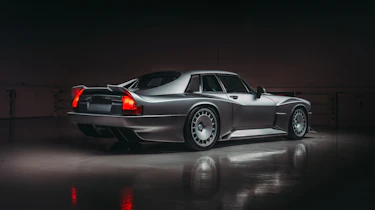
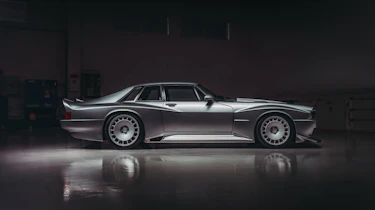
Visually the Supercat doesn’t look like any XJS that’s gone before, save perhaps for a Group 44 racer or a ‘Le Mans’ Lister. It features bespoke, widened (by 182mm) carbonfibre bodywork, new headlights and turbofan wheels. The track is 105mm (front) and 100mm (rear) wider.
The design has been informed by CFD testing, with a front splitter, rear diffuser and ducktail spoiler helping to keep the Supercat stable at speed. The design has been created by Khyzyl ‘Kyza’ Saleem, a creator of wild and wonderful designs that have been captivating an extensive online audience for years.
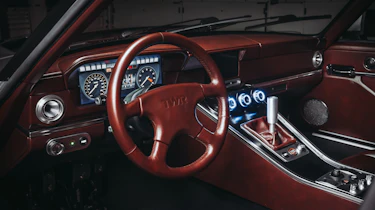
On the inside strong hints of XJS remain, with an overlay of luscious trim and modern tech. The rear seats have been binned in favour of an extra luggage area, while there’s also a new multimedia interface with Apple CarPlay and Android Auto. There’s a digital driver’s display and lots of tactile alloy switchgear including that spectacular shift knob. The seats are carbon-backed and fully electric. Needless to say, interior specs will be limited by the whims of the 88 buyers.
Indeed, just 88 are being made, as a reference to the 1988 Le Mans victory in the XJR9. The price? £225,000 excluding taxes, which will undoubtedly increase depending on customisation options. A deposit of £35,000 secures you a build slot.