TVR’s comeback continues – Lotus to help deliver Griffith by 2028
Charge Holdings is bringing TVR into the fold and wants to deliver the new Griffith, before exploring electrified platforms in the future
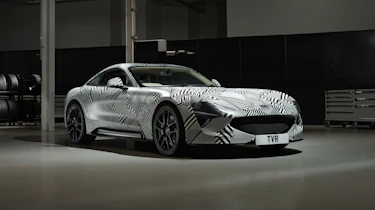
Almost exactly a year ago, the unexpected announcement came from Charge Holdings that it had merged with TVR and intended to deliver the long-promised, long-delayed Griffith V8 sports car. Charge has now rebranded as MOTV Group and has provided the latest update on TVR Automotive’s comeback, with a new board of directors and a partnership with Lotus’s Hethel Performance Hub (alongside Zenos) for development and, eventually, production. Deliveries have been proposed to begin in 2028, only 11 years on from the Griffith’s reveal.
This is the result of the plan announced this time last year to begin a ‘multi-phased restructuring of TVR’. Now the foundations are set and TVR can actually get on with the job of developing the Griffith and putting it into production.

TVR’s leadership team includes CEO (and MOTV CEO) Paul Abercrombie, CTO Steve MacManus (formerly VP of engineering at Tesla, with key roles at Apple before that), CCO Trevor Weller (formerly Lotus’s Retail Development Director) and Gavin Bristow (formerly of McLaren, Uber and SpaceX). Bristow also founded the US TVR specialist TVR Garage.
This line-up makes a lot of sense given MOTV’s stated intention to develop and build TVRs at Hethel and go electric after the run of V8 cars is complete. Long-term, TVR is to be just one in a ‘multi-brand, low-volume integrated automotive group’.
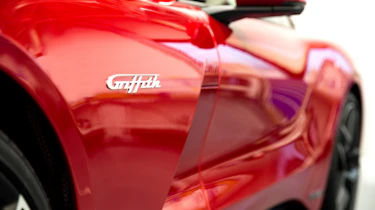
Described as ‘TVR’s new home’ is Factory 3, a part of Lotus’s Hethel Performance Hub facility in Norfolk. It’s also a fair stride away from Ebbw Vale in south Wales, where production of the TVR was first set to begin in 2018…
As per the Performance Hub’s remit, it will help TVR in the development of the Griffith and its production, with Lotus’s suite of manpower, expertise, facilities (including the test track) and equipment at their disposal. Dynamic testing is set to begin ‘imminently’.
We know the Griffith will retain its V8 engine, a unit based on Ford’s Coyote that still powers the Mustang. It will also still feature a manual gearbox and be front-mid-engined and rear-wheel drive. The car will use a bespoke lightweight spaceframe chassis with composite bodywork. When it was first announced, the Griffith was to use Gordon Murray’s iStream production process. However, iStream, together with Gordon Murray Technologies, is now owned by CYVN Holdings, the group that also owns McLaren.
The new TVR story so far
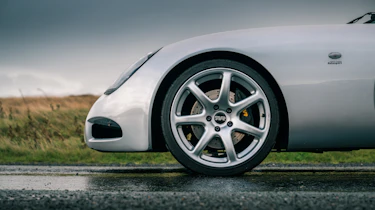
TVR’s journey to date, from the fanfare launch of the Griffith at the Goodwood Revival in 2017, to the green shoots reported today, has been long and arduous. Car industry stalwart and TVR CEO Jim Berriman resigned as a director of the business in May 2025.

The latest TVR rebirth story started back in 2013. Edgar along with his consortium first acquired the rights to TVR from then owner Nikolai Smolenski 12 years ago and laid down his plans quite early on. The new TVR would be constructed on Gordon Murray’s iStream platform and be powered by a Ford or GM-sourced V8, depending on your preference. Built and developed in the UK, the targets were modest (500 units of the First Edition Griffith priced at £90,000) but achievable. On paper at least.
£500,000 of funding was secured from the Welsh Government along with an additional £2m from the Welsh Assembly to go towards development costs of the Griffith, whilst it would also pick up the £12.35 million bill to buy and renovate the proposed factory in Ebbw Vale, South Wales. By December 2018 a crack or two started to appear.
European Rules on state funding were, according to TVR, creating delays on completing the work required at the 180,000 square foot production facility. These required tenders for any work to be shared across the EU trading block.
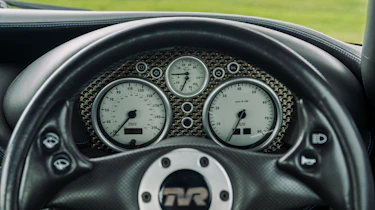
18 months later TVR was looking for more funding to meet the requirements of the Welsh Government who insisted the company had the funds to start production before it would hand over the keys to the factory. So followed a hop across the Irish Sea to raise £25m on the Dublin Stock Exchange followed by a claim by TVR that it had £40m worth of orders and the initial 500-car production run was sold out. Deal done, let’s get building V8 Griffiths! But wait, more people wanted to invest.
Along came Ensorcia Metals, part of the Ensorcia Group that was established in 2016 to ‘develop a sustainable battery materials supply chain’. The Group wanted to invest to allow both parties to develop a three-car range of electric TVR road cars, which would help Ensorcia establish itself as an automotive battery manufacturer. How they thought TVR could bring this electric idea to fruition when it appeared to be struggling to get a comparatively simple V8 sportscar to market is, seemingly, a question that will never be answered.
> TVR Sagaris (2005 - 2006): Blackpool's best saved 'til last
As time passed, depositors walked away, the loans made by the different entities in Wales were called in and costs continued to rise as legislation forced fundamental changes to the original Griffith concept. Edgar even talked about TVR looking for other options to the Ebbw Vale factory to build the Griffith in. Which went down well in South Wales.
Then there are the other factors that will make TVR’s resurrection supremely difficult. The original plan to use Gordon Murray’s iStream chassis technology to build the Griffith was a sound one, but in 2023 Forseven (who recently merged with McLaren) acquired Gordon Murray Technologies and with it the rights to iStream, which as mentioned, left TVR without a platform to build any of its cars on.
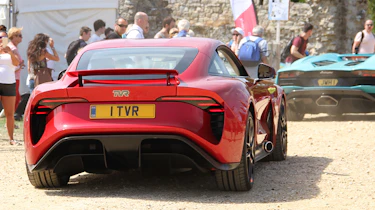
Not that it had anywhere to build them, because at the end of 2023 it lost the right to use the factory in the Ebbw Vale. Although it did announce days later it would open its first brand centre at Thruxton circuit in Hampshire. That hasn’t happened either. Nothing has since, besides the aforementioned departures, slack time keeping from the accountants, at least until this merger and integration.
TVR is a brand that has tugged at the heart strings of many a car enthusiast since its birth in 1947. Like all low-volume British sports car companies it enjoyed incredible highs with magnificent products and disastrous lows (despite the products still impressing). Under Peter Wheeler’s ownership it established itself as a top tier competitor in the sports car arena that genuinely worried, and certainly got under the skin of Porsche and others.
> Best British cars – the finest driver’s cars to come out of Great Britain
That passion, support and love for TVR remains today. Its cars are firmly established as icons from an era few will forget. Hopefully this latest merger really does save TVR and by some miracle, facilitate the completion of the Griffith’s protracted gestation. You’ll forgive our cynicism, we’ve been burned before…