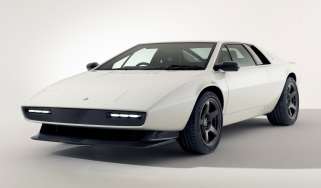
The Lotus Esprit is officially making a return, and it has a V8
Lotus is resurrecting the iconic Esprit nameplate for a V8 hybrid supercar as part of a major strategic pivot toward electrified combustion power

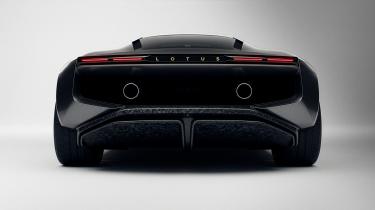
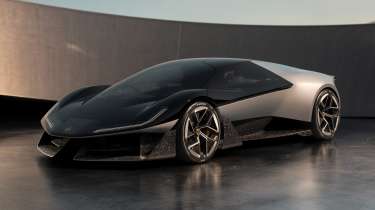
Lotus is bringing the Esprit back as a 986bhp, V8-engined hybrid supercar, built in Europe and going on sale in 2028. Confirmed as part of the company’s Focus 2030 strategy presented by CEO of Lotus Group Qingfeng Feng, the new Esprit will join the new X-Hybrid Eletre and Emeya models, a more focussed and hardcore Emira and the all-electric Eivijia. Focus 2030 will also see Lotus Cars and the publicly listed Lotus Technology become a single entity.
The new Esprit, codenamed Type 135 until now, hasn’t had the easiest of gestation periods. For a start, its Type number was initially applied to the all-electric replacement for the Toyota and Mercedes-AMG powered Emira sports car. Due to launch in 2025 for circa £75,000 it was meant to be offered with a range of electric powertrains ranging from 470bhp to more than 800bhp with a dual motor set-up.
> Lotus ditches all-electric plans, launches 939bhp Eletre X-hybrid
In 2024 Lotus also showed the Theory 1 concept car, a 986bhp all electric hypercar. Principally a design study to present a future ethos that car lends a lot of its styling to the new Esprit, specifically around the rear of the car including the diffuser.
While Lotus has yet to confirm many essential details around the return of its iconic supercar, it has committed that the new fifth generation Esprit will be built in Europe. In the last 12 months work has been carried out at the company’s Hethel facility to create a flexible production hub, and the company still operates the Lotus Tech Innovation Centre in Frankfurt, Germany.
A carbon fibre monocoque tub is expected to feature at the new Esprit’s core, with extruded aluminium subframes to hang the suspension from. All very McLaren.
There is the small issue of where Lotus plans to get the V8-hybrid engine from, but parent company Geely Holdings Group might have the solution for that. Horse Powertrain was announced as a joint venture between Renault and Geely in 2022 to design and produce internal combustion engines and hybrid-powertrains for the brand’s range of vehicles. Having already announced a new 536bhp twin-turbocharged V6 last month, which has the capability to be mated to either a 402bhp or 603bhp electric motor, the solution could already be in place for Lotus. Even more so because Horse’s new V6 is modular and therefore could be turned into a V8. Don’t, unfortunately, expect a manual gearbox.
It’s safe to say that the new Esprit will share much of the original’s core DNA in terms of its mid-engined layout, class leading Lotus dynamics and distinctive wedge-shaped design. What it’s unlikely to offer is the Lotus affordability. Where the first four generations of Esprit not only out-paced their rivals on the road for ride and handling, and power to weight, they also out-punched many on price, too, undercutting key rivals from Aston Martin, Honda, Ferrari and Porsche.
However, with a V6-engined Emira Jim Clark costing from £115,000 and the i4-engined models starting from £79,500 the new Esprit will wear a heavy price expected to be closer to that of a Ferrari 296 GTS, McLaren Artura and Lamborghini Temerario, which means a £200,000 Lotus. Or perhaps higher still if they decide to go for the V8-engined hybrid 849 Testarossa.
Details of the new Esprit coincides with confirmation of a new Emira model set to be announced later this Spring. All Lotus will say is that it will be the most powerful and lightest Emira to date.
On Focus 2030, Daniel LI, Chairman of the Board of Directors at Lotus Technology, and Executive Chairman of Geely Holding Group said: 'Geely has believed in Lotus from the beginning, and that belief has not wavered. We are committed to giving Lotus the resources it deserves to compete at the highest level.'
This new strategy will see Lotus develop a product portfolio consisting of battery electric and plug-in hybrid cars, with a 60:40 split in favour of PHEVs. Internal combustion engined cars will consist of more specialist Emira models expected to make up a small proportion of global sales.
Under Geely ownership Lotus has yet to establish itself and secure its financial future as many had hoped. In 2025 Lotus sold 6,520 cars, a 46 per cent drop on 2024’s sales. Of that total, 1,968 were sports cars with the remaining number made up of Eletre and Emira models, the company’s all electric SUV and Porsche Taycan rival. As a consequence total revenue was down 44 per cent to $519 million, with an operating loss of $423 million a 46 percent year-on-year improvement.
Under its new plan Lotus expects China to be a growth area for its new energy vehicles (BEV and PHEV), Europe will focus on building on the racing heritage and British engineering equity to influence the company’s powertrain portfolio. The strategy for North America will remain with sportscars and the growing electric and hybrid SUV market in Canada (the region accounted for 16 percent of all Lotus sales in 2025, a 21 per cent drop on the previous year).
A new Lotus Esprit has been called for by enthusiasts for over a decade, a concept that Lotus has been happy to entertain with suggestions of an all-electric example. But the collapse of both the electric hypercar market (if there ever was one to collapse) and slow down of electric vehicle growth outside of short term increases in interest during the start of the conflict starting in the Middle East, the sports and supercar market is a future that will still be petrol powered with electrical assistance. Hopefully Lotus is able to capitalise with a fitting return of the Esprit name.